
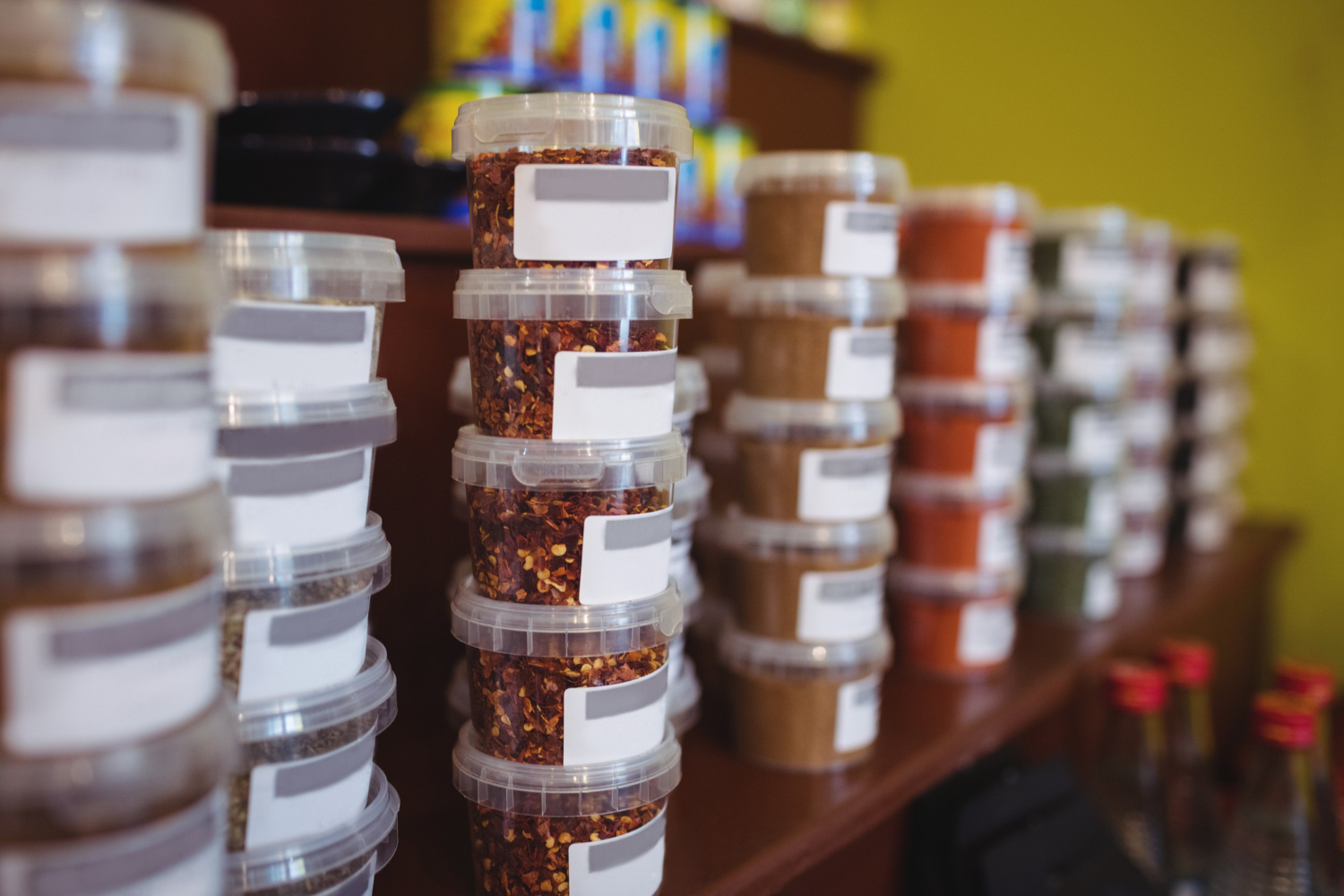
Labels are more than just stickers. They’re the first thing people notice on a product, whether it’s a bottle of juice, a tube of cream, or a shipping box. They carry important details like what’s inside, when it expires, and if it needs special handling. Good labels help people trust what they’re buying and make it easier to stock and sell products properly.
But labels aren’t just about looks. Businesses need to follow certain rules when it comes to packaging and labelling. These rules are not limited to supermarkets and huge factories. Even small shops or home businesses need to get things right. If not, it can cause delays, returns, or even legal trouble. That’s why when we handle label printing in London, we pay close attention to the small things that make a big difference.
Understanding Packaging Rules for Labels
Packaging compliance rules are in place to make sure people know exactly what they’re buying or using. These rules make shopping safer and help stores stay organized. Meeting the rules is about giving customers the right details and helping products move smoothly through the supply chain.
Labels should be clear, with no missing or confusing details. Here are some common things required on product labels:
- Product name and short description
- List of ingredients or materials
- Expiry or best-before dates
- Storage guidance if needed (like keep chilled)
- Batch or serial numbers
- Warnings for allergens or usage safety
- Recycling or disposal instructions
What rules apply can depend on what you’re selling. A homemade snack will need different information than a bottle of cleaning spray. Where you plan to sell the product matters as well. Something sold in London might follow UK guidance, but if it’s going abroad, rules could change.
What Happens If Your Labels Don’t Comply
Missing one small detail might not seem like a big deal, but it can cause bigger problems than expected. Labels are checked by different people along the way, from warehouse staff to shop owners. If something is off, it creates confusion.
Here are ways non-compliant labels can become a problem:
- Items can be held up or rejected by shops or platforms
- Customers might complain if something is unclear or wrong
- With missing batch numbers, it becomes harder to track issues later
- Bad labels can lead to fines or force a full reprint
Some labels are rejected simply because the print is too light, the expiry date rubs off, or a hazard sign is missing. These mistakes are avoidable but can happen quickly if no one checks closely before printing. Fixing them afterward takes time and wastes materials.
Working With Your Printer to Get It Right
Picking the right material and layout matters, but so does working with someone who understands the rules. When we manage label printing in London, we focus on local needs. UK rules may be straightforward, but it takes experience to spot the small details that can affect a product’s approval or shelf life. We print many of our labels on durable vinyl stocks in custom shapes and sizes, supplied in rows or on sheets so they can slot easily into different packing and application setups.
There’s a difference between downloading a template and working with someone who can look over your design before printing. Even something like the weather can make a difference. In late May, London is warming up and deliveries may sit in warmer vans for longer. Smudging or curling labels could be a risk if the material isn’t right. Using tougher or coated paper might be the better choice for products kept outside or in warm storerooms.
Practical Tips Before Final Print
Sometimes the label is nearly ready, but a few quick checks can save a lot of time later. Before sending a label off to print, these points should always be double-checked:
- Use a font that’s easy to read, nothing too small or hard to scan.
- Review every detail for spelling mistakes, missing numbers, or unclear information.
- Make sure key things like expiry dates or allergens are in bold or stand out.
- Prepare labels made for the right environment, like waterproof ones for chilled items.
- Know which symbols you’ll need, such as food-safe icons, recycling logos, or barcode types.
Rechecking before final print helps avoid needing a second round of fixes. Even if everything looks great on screen, it doesn’t always come out the same on paper. A fresh pair of eyes or a physical test print can help catch awkward margins or colours that seem fine digitally. Sending artwork as a press-ready PDF with bleeds and crop marks also helps the print process run more smoothly once files are received.
When Your Labels Work, Your Packaging Flows
When labels are made properly, everything just runs more smoothly. There are fewer delivery delays, fewer confused customers, and less stress when a new product launches. With the right information in the right place, every step of the packing and selling process becomes easier to handle.
Good label design is about sharing helpful facts clearly and following the rules that protect both sellers and buyers. Getting that sorted from the start means you spend more time growing your business and less time fixing paperwork.
Paying close attention to every element, from font choice to spacing on labels, helps guarantee efficient packaging and smooth delivery. A careful check of every detail ensures accuracy and avoids future rework.
Preparing product labels that comply with UK packaging rules can be challenging. At Print Pallondon, we keep the process simple and accurate by verifying the layout and choosing the right material for London’s warmer months. Even minor adjustments in packaging preparation can prevent bigger issues later on. For reliable and regulation-friendly results, discover our label printing in London service and contact us to get started.